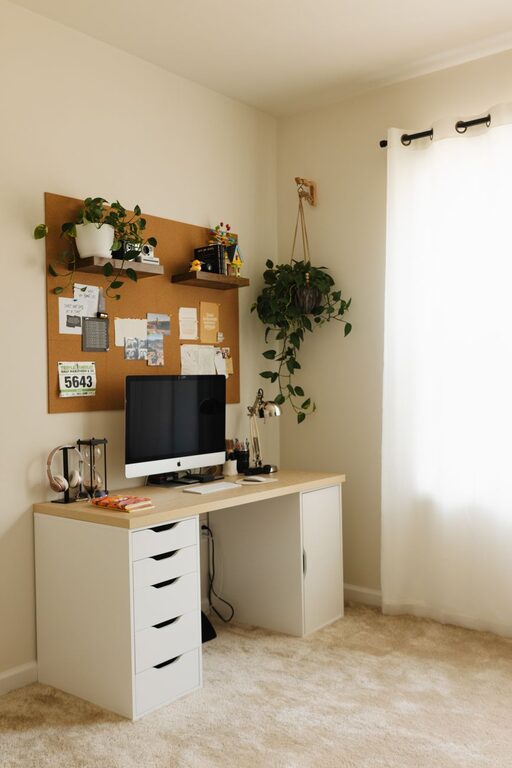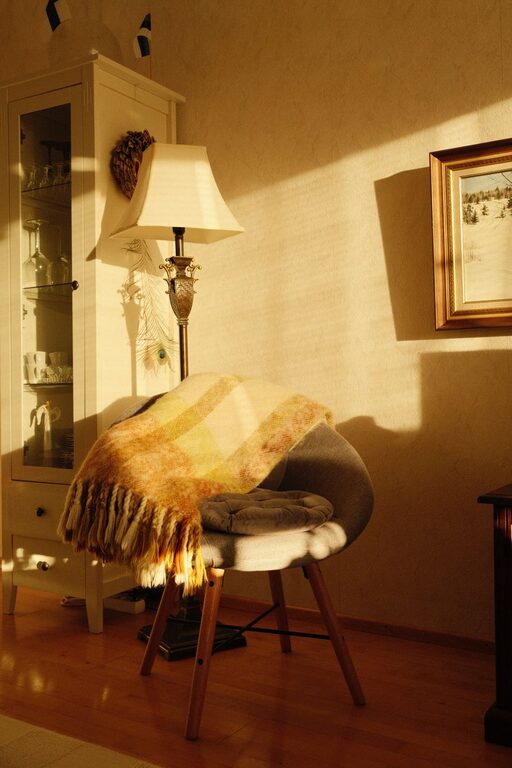

Creating an efficient and comfortable workspace at home can be challenging, especially when you’re working with limited space. However, a well-organized small home workspace can significantly boost your productivity and overall work satisfaction. This guide offers practical tips to help you maximize your small area effectively, ensuring that you stay comfortable and focused throughout your workday.
Why Organizing Your Small Workspace Matters
A cluttered and disorganized workspace can lead to distractions, stress, and decreased efficiency. On the other hand, a tidy, thoughtfully arranged workspace promotes clear thinking, faster task completion, and better ergonomic health. Even if your home workspace is tiny, organizing it well can transform your work experience.
Assess Your Space and Needs
Begin by evaluating the available space and understanding your work requirements. Consider:
– The size and shape of the area
– The type of work you do (computer-based, paperwork, creative tasks)
– Necessary equipment and supplies
– Lighting conditions and noise levels
This assessment helps guide your organization strategy, so you prioritize what matters most.
Tips for Organizing Your Small Home Workspace
1. Choose the Right Furniture
Invest in furniture that fits your space and supports your work habits.
– Compact Desk: Look for desks designed for small spaces, such as wall-mounted or foldable options.
– Ergonomic Chair: Comfort is crucial; a chair with adjustable height and good back support helps prevent discomfort.
– Multi-functional Pieces: Consider a desk with built-in storage or a rolling cart that can be moved as needed.
2. Optimize Vertical Space
When floor space is limited, make use of vertical surfaces.
– Wall Shelves: Install shelves above your desk to store books, files, or decorative items.
– Pegboards: Great for hanging office supplies and keeping things within arm’s reach.
– Magnetic Strips: Use these to organize metal items like scissors or paper clips.
3. Declutter Regularly
A small space becomes cramped quickly if clutter builds up.
– Daily Tidy-Up: Spend a few minutes at the end of each day putting things back in place.
– Storage Bins: Use labeled bins or drawer organizers to keep small items sorted.
– Digitize Documents: Scan papers and store them digitally to reduce physical clutter.
4. Manage Cables and Electronics
Cables can easily create a tangled mess.
– Cable Organizers: Use clips, sleeves, or under-desk trays to bundle and hide cords.
– Wireless Accessories: Opt for wireless keyboards, mice, and headphones when possible.
– Power Strip Placement: Attach power strips under the desk to keep them off the floor.
5. Maximize Natural Light and Add Task Lighting
Good lighting improves mood and reduces eye strain.
– Position Desk Near Windows: Take advantage of natural daylight.
– Use Sheer Curtains: To soften light without blocking it.
– Add Desk Lamps: Adjustable lamps with warm light help provide focused illumination during darker hours.
6. Personalize Thoughtfully
Personal touches make your workspace inviting and motivating.
– Plants: Small houseplants add color and improve air quality.
– Artwork: Choose inspiring or calming images.
– Color Scheme: Select colors that help you focus, such as soft blues or greens.
7. Create Zones Within Your Workspace
Even in a small area, defining zones can improve organization.
– Work Zone: Where your computer and main tasks happen.
– Reference Zone: Shelving or filing for documents.
– Supply Zone: Easy access to pens, notebooks, and tools.
Use drawer dividers or trays to separate these zones when needed.
8. Use Portable Storage Solutions
Small storage items that can move with you add flexibility.
– Rolling Carts: Handy for moving supplies from room to room.
– Storage Ottomans: Dual-purpose seating and concealed storage.
– Stackable Boxes: Make use of vertical storage inside cabinets or closets.
Maintaining Your Organized Workspace
Organization is an ongoing process. To maintain your setup:
– Review your workspace monthly to see if adjustments are needed.
– Avoid accumulating unnecessary supplies or furniture.
– Stay consistent with your tidying habits.
Conclusion
Organizing a small home workspace takes some planning and creativity, but the rewards are worth it. By choosing the right furniture, making smart use of space, maintaining cleanliness, and personalizing your area, you can create a comfortable and productive environment right in your home. Start with these tips today and notice how a well-arranged workspace can help you work more efficiently and enjoyably.
About the Author