Creating a home workspace that feels calm and inviting can make a significant difference in how productive and comfortable you feel throughout the day. Whether you are working remotely, running a side business, or just need an organized corner for your tasks, a relaxing environment helps reduce stress and improve focus.
In this post, we’ll explore practical tips to design a home workspace that supports your work habits while offering comfort and tranquility.
Why a Relaxing Workspace Matters
A comfortable workspace is more than just a pretty room. When your environment promotes relaxation and minimizes distractions, your mind can focus better on tasks at hand. This leads to higher productivity, better work quality, and less mental fatigue.
Choosing the Right Location
Find a Quiet Spot
Select a location in your home where you can avoid frequent interruptions and noise. This might be a spare room, a quiet corner, or an area where other household activities are minimal.
Consider Natural Light
Natural light can boost mood and energy levels. Position your desk near a window if possible, but avoid glare on your computer screen.
Invest in Comfortable Furniture
Ergonomic Chair and Desk
A supportive chair that encourages good posture is essential to prevent discomfort during long work sessions. Adjustable desks that allow switching between sitting and standing can add variety and reduce fatigue.
Keep Essentials Within Reach
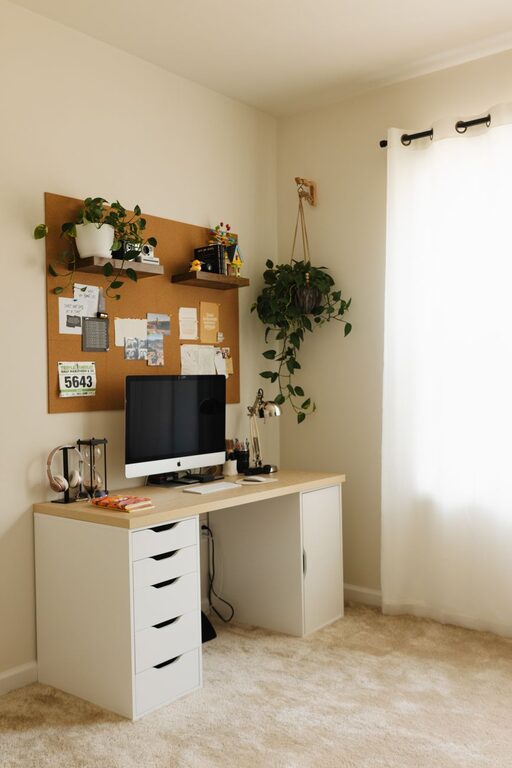
Arrange your most-used items like pens, notebooks, and chargers within easy reach to keep your workspace efficient and free from clutter.
Organize with Purpose
Declutter Regularly
A mess-free space helps you think clearly. Use desk organizers, shelves, or drawers to keep papers and supplies tidy.
Use Cable Management
Tangled cords not only look messy but can cause frustration. Cable organizers or clips keep wires neat and out of the way.
Add Personal and Soothing Touches
Incorporate Plants
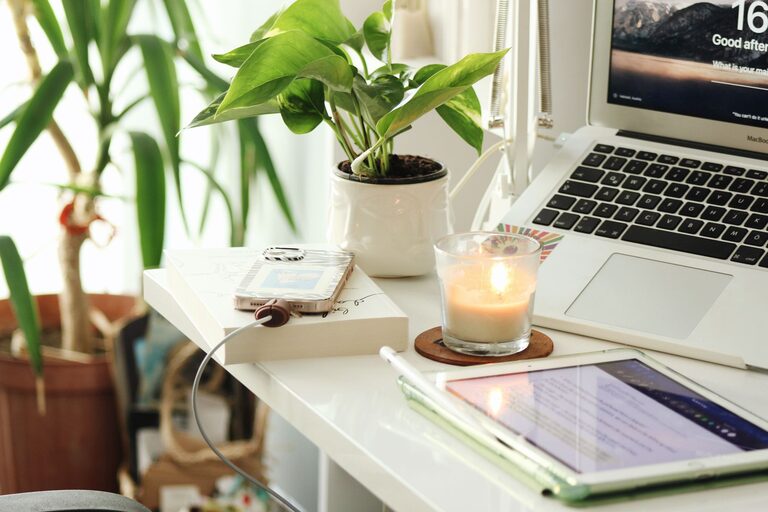
Indoor plants bring a touch of nature and improve air quality, creating a calm atmosphere.
Choose Soothing Colors
Soft, neutral colors like light blues, greens, or pastels help reduce stress and keep the room feeling spacious.
Use Soft Lighting
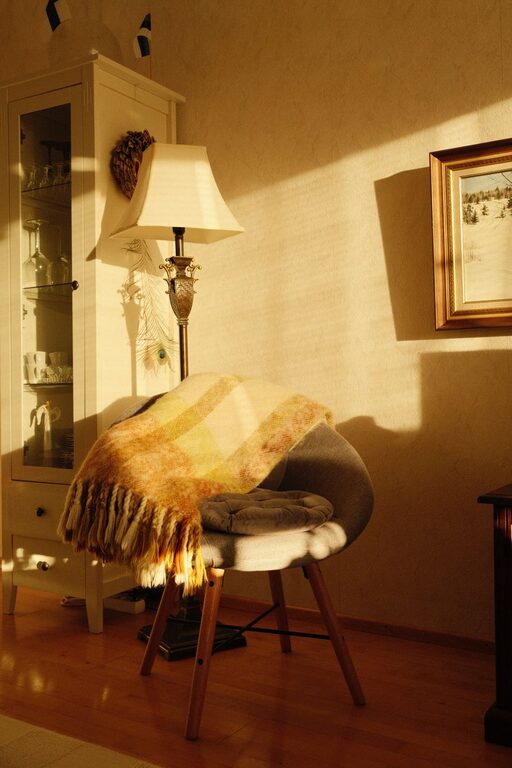
In addition to natural light, use lamps or LED lights with adjustable brightness to create a warm, inviting ambiance.
Minimize Distractions
Use Noise-Canceling Headphones or Soft Background Music
If your environment is noisy, noise-canceling headphones or quiet instrumental music can help you concentrate.
Turn Off Unnecessary Notifications
Limit interruptions by turning off non-essential notifications on your computer and phone during work hours.
Establish a Routine
Set Clear Work Hours
Having regular start and end times helps your mind associate the workspace with work, improving focus and work-life balance.
Take Breaks and Move Around
Short breaks to stretch or walk can refresh your mind and reduce physical strain.
Personalize Your Space Thoughtfully
While personal items add character, avoid overcrowding your desk. A few meaningful items, such as a favorite photo or a motivational quote, can uplift your mood without causing distraction.
Keep Technology Updated and Functional
Ensure your computer, internet, and other tools are reliable to prevent technical frustrations that can hinder productivity.
Final Thoughts
Creating a relaxing home workspace is an investment in your well-being and work success. By carefully choosing your location, organizing your space, and adding comfort-enhancing elements, you create an environment that invites focus and reduces stress.
Try implementing these tips gradually, and adjust according to what feels best for your needs. A well-designed workspace can transform how you work from home, making your days more comfortable and productive.
About the Author