Creating a comfortable and productive home office space is essential for anyone working remotely or spending significant time at home on professional tasks. A well-designed workspace can improve focus, reduce distractions, and even boost overall well-being. Whether you’re starting from scratch or looking to enhance your current setup, these tips will help you craft an environment that supports your work and comfort.
Choose the Right Location
The first step in creating a home office is selecting the best spot. Ideally, pick a quiet area with minimal foot traffic and good natural light. If you have a spare room, consider dedicating it entirely as your workspace. If space is limited, look for a corner in your living room, bedroom, or even a nook under the stairs.
Consider Natural Light and Ventilation
Natural light can improve mood and energy levels, so try to position your desk near a window. Good airflow is also important, so make sure the space is well-ventilated either through open windows or a fan. Avoid areas prone to noise distractions like near a busy street or noisy appliances.
Invest in Ergonomic Furniture
Comfort is key to maintaining productivity for long hours. An ergonomic setup reduces strain on your body and can prevent common issues like back pain or eye strain.
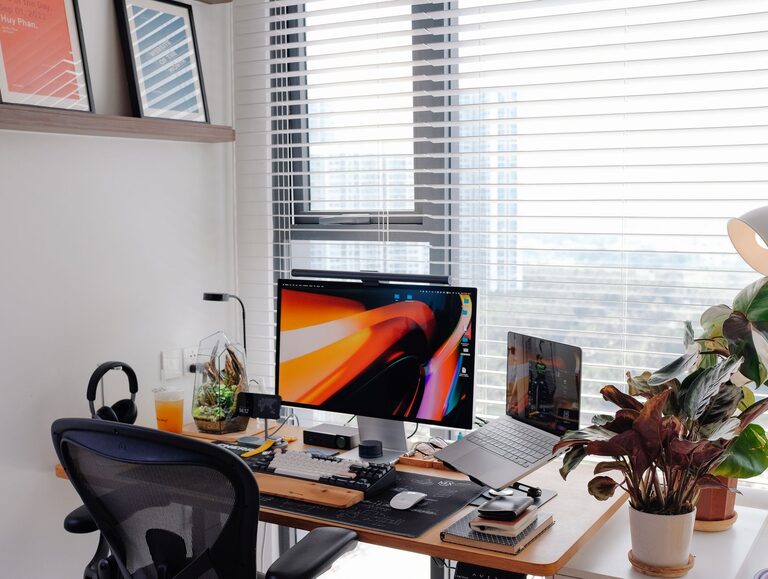
– Chair: Choose an adjustable chair with good lumbar support. Your feet should rest flat on the floor, and your knees should be at roughly a 90-degree angle.
– Desk: A desk with enough surface area to hold your computer, notebooks, and other essentials is important. Adjustable height desks offer flexibility to switch between sitting and standing.
– Monitor Position: Your computer screen should be at eye level, about an arm’s length away, to avoid neck strain.
Organize Your Workspace
A clutter-free workspace can help clear your mind and increase focus. Here are some organization tips:
– Use trays, shelves, or drawers to keep papers and supplies tidy.
– Keep everyday items within reach to avoid distractions when searching for things.
– Employ cable management techniques to reduce tangled cords on your desk.
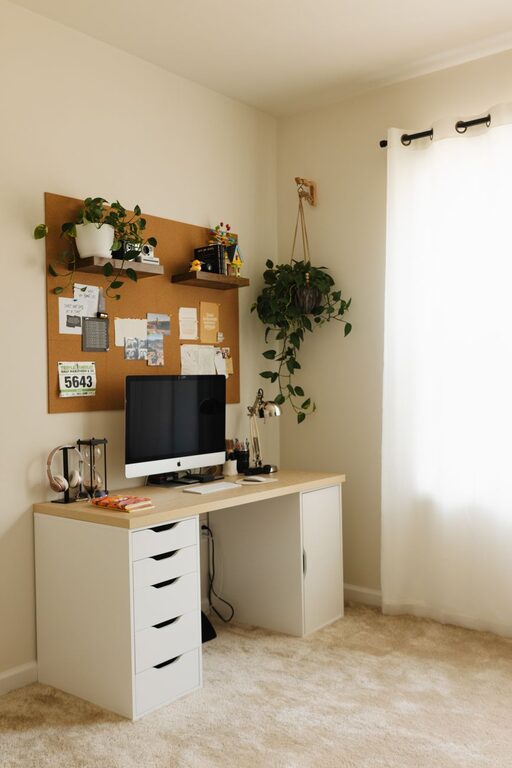
– Add a whiteboard or corkboard to keep track of tasks, deadlines, or important notes.
Personalize Your Space
Make your home office an inviting space that you enjoy spending time in. Personal touches can boost creativity and motivation.
– Add plants to bring freshness and improve air quality.
– Use colors that make you feel calm yet energized, such as blues or greens.
– Hang artwork or photos that inspire you.
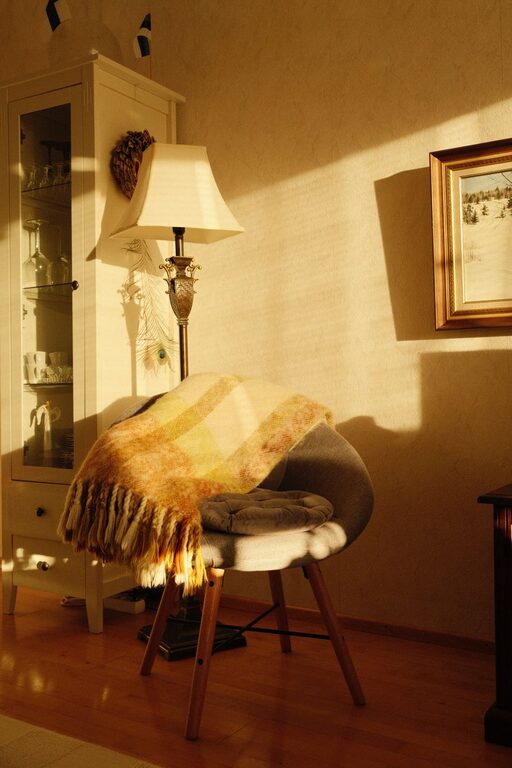
– Choose a desk lamp with adjustable brightness for evenings or darker days.
Manage Technology Efficiently
Reliable technology is crucial for staying productive. Make sure you have:
– A strong and stable internet connection.
– Necessary peripherals like a good mouse, keyboard, and headset.
– Backup solutions such as cloud storage or external drives.
Regularly update your software to maintain security and performance.
Set Boundaries and Create a Routine
Working from home can blur the lines between personal and professional life. Establish boundaries to help you stay focused and maintain work-life balance.
– Set regular working hours and stick to them.
– Inform household members about your schedule to minimize interruptions.
– Take regular breaks to stretch, hydrate, and rest your eyes.
– Develop a morning routine to transition smoothly into work mode.
Control Lighting to Reduce Eye Strain
Good lighting prevents fatigue and supports long hours of screen time.
– Use a mix of ambient and task lighting.
– Avoid harsh overhead lights or glare from screens by positioning your monitor away from windows or bright lights.
– Consider using blue light filters on devices during late hours.
Enhance Acoustics and Minimize Noise
Noise can disrupt concentration, so think about sound control.
– Use noise-canceling headphones if necessary.
– Add soft furnishings like rugs, curtains, or cushions to absorb sound.
– Consider a white noise machine or calming background music to mask distractions.
Keep Comfort Essentials Handy
Small comforts contribute to overall well-being.
– Keep a water bottle nearby to stay hydrated.
– Use a footrest if your feet don’t reach the floor comfortably.
– Maintain a comfortable room temperature with fans or heaters as needed.
—
Creating a home office that balances comfort and productivity takes a bit of planning but pays off in better work quality and enjoyment. By choosing the right location, investing in ergonomic furniture, organizing thoughtfully, and setting clear boundaries, you can build a workspace that helps you thrive at home. Remember, your office should reflect your needs and preferences, so feel free to adjust these tips to fit your lifestyle and work habits. Happy working!
About the Author