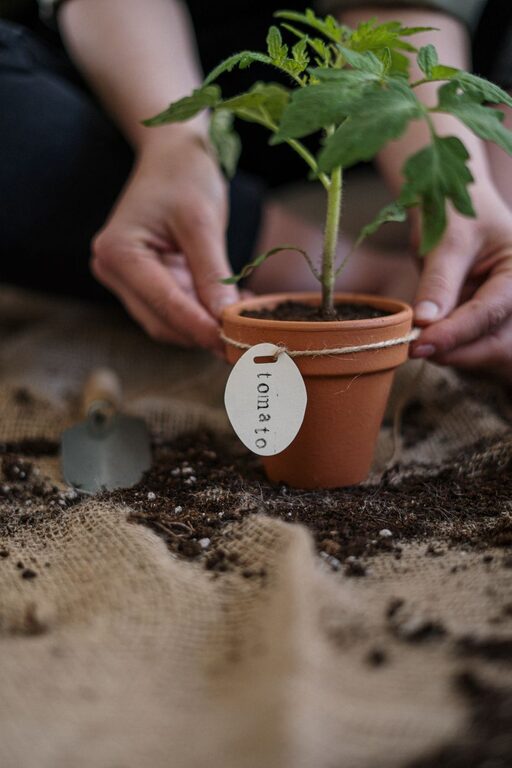
Starting a home garden is a rewarding hobby that lets you grow your own fresh vegetables right outside your door. Not only does it provide healthy food, but gardening can also be a relaxing and enjoyable way to spend time outdoors. If you’re new to gardening, the idea of planting and growing vegetables might seem overwhelming. However, with a few simple tips and some basic planning, you can create a thriving garden that suits your space and lifestyle.
In this post, we’ll cover what you need to get started, from choosing the right spot to selecting easy-to-grow vegetables and maintaining your garden throughout the growing season.
Choose the Right Location
The first step for any successful home garden is picking the best location. Vegetables generally need plenty of sunlight to grow well.
– Find a sunny spot: Most vegetables require 6 to 8 hours of direct sunlight daily. Look for a part of your yard or balcony that gets enough sun.
– Consider soil conditions: Good soil drains well and has a balanced texture (not too sandy or clayey). If soil quality is poor, you can improve it with compost or use raised beds.
– Easy access: Make sure your garden is easily accessible for watering, weeding, and harvesting. This will encourage you to tend your plants regularly.
Start Small and Simple
If this is your first gardening experience, it’s best to start with a manageable size and simple crops.
– Limit your garden area: Start with a small plot or a few containers. A 4×4-foot raised bed or several pots on a balcony can yield plenty of vegetables.
– Choose beginner-friendly vegetables: Some vegetables are easier to grow than others. Good choices for beginners include lettuce, radishes, carrots, green beans, spinach, and cherry tomatoes.
– Plan your planting: Research the best planting season for your selected crops in your region. Local garden centers or extension services can provide helpful advice.
Prepare Your Soil
Healthy soil is the foundation of a good garden.
– Test your soil: Consider getting a soil test to check pH and nutrient levels. This helps you know if you need to add amendments.
– Add organic matter: Compost, manure, or leaf mold improves soil texture and fertility.
– Loosen the soil: Use a garden fork or tiller to loosen compacted soil, allowing roots to grow easily.
– Avoid chemical fertilizers at the start: Instead, focus on natural soil improvements to support long-term plant health.
Planting Your Vegetables
Once your soil is ready, it’s time to plant!
– Follow seed packet instructions: Seeds provide specific planting depths and spacing information.
– Water gently: After planting, water the seeds or seedlings gently to avoid washing them away.
– Use mulch: Mulching around plants helps retain moisture, reduces weeds, and keeps soil temperatures consistent.
– Consider companion planting: Some vegetables grow well together and can even help each other by deterring pests or improving growth.
Water Properly
Watering is crucial, especially when plants are young or during dry spells.
– Keep soil consistently moist: Avoid letting it dry out completely.
– Water early in the day: This reduces evaporation and helps prevent fungal diseases.
– Avoid wetting leaves: Water the base of plants to keep foliage dry.
– Consider drip irrigation or soaker hoses: These tools deliver water efficiently and reduce waste.
Keep Up With Garden Maintenance
Regular care helps your plants thrive.
– Weed regularly: Weeds compete for nutrients and water, so remove them promptly.
– Check for pests: Look for common garden pests like aphids or slugs. Hand-pick pests or use natural control methods if needed.
– Fertilize as needed: After plants are established, you may apply organic fertilizers or compost tea to encourage growth.
– Prune and thin: Remove weak or overcrowded plants to provide enough space and air circulation for healthy growth.
Harvesting and Enjoying Your Vegetables
One of the best parts of gardening is harvesting your fresh produce.
– Pick vegetables when ripe: Check guidelines for each crop. For example, beans should be picked while tender, tomatoes when fully colored, and carrots when they’ve reached desired size.
– Harvest regularly: Frequent picking encourages plants to produce more.
– Handle with care: Use clean hands or tools and store vegetables in a cool place after harvest to maintain freshness.
Bonus Tips for Success
– Keep a garden journal: Record what you planted, dates, weather conditions, and results. This helps you learn and improve each season.
– Learn from neighbors or online communities: Gardening forums, local clubs, or social media groups can offer advice and encouragement.
– Be patient and flexible: Gardening involves some trial and error. Celebrate small successes and learn from setbacks.
Conclusion
Starting a home vegetable garden is simpler than it may seem. By choosing a sunny spot, preparing your soil, selecting easy crops, and maintaining your plants carefully, you can enjoy fresh and healthy vegetables right from your backyard. Whether you have a large yard or just a small balcony, gardening can become a fulfilling and delicious hobby.
Happy gardening!
About the Author