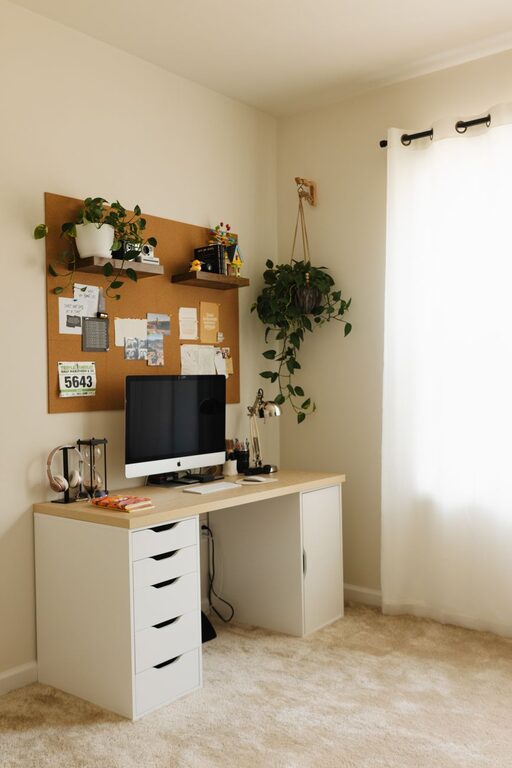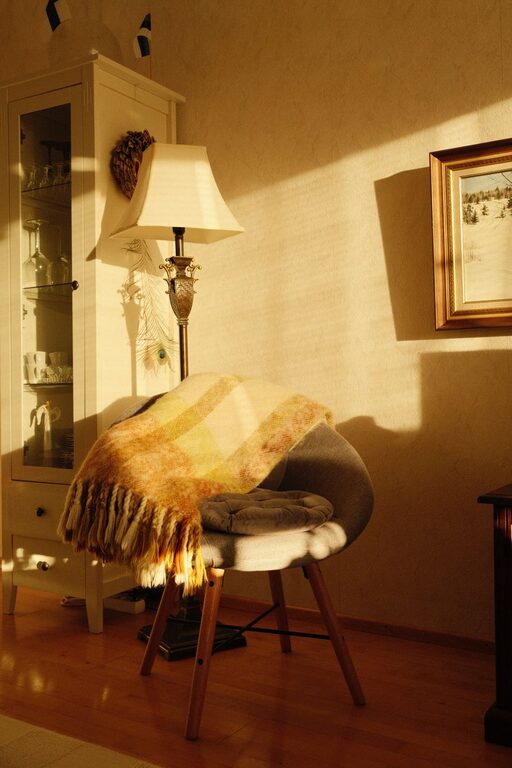
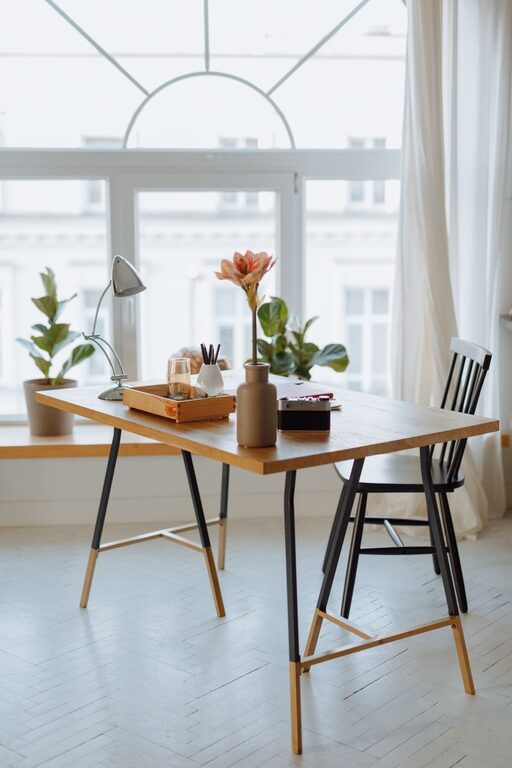
Creating a relaxing home office environment is essential for maintaining focus, reducing stress, and enjoying your time while working from home. A well-designed workspace not only boosts productivity but also promotes a positive mindset throughout your workday. Whether you have a dedicated room or a small corner for your office, these tips will help you design a calm and comfortable setting.
Choose the Right Location
The foundation of a relaxing home office starts with the location. If possible, select a quiet area away from heavy foot traffic, noise, and distractions. A spot near a window can provide natural light, which is known to improve mood and energy levels.
– Avoid places near loud appliances or frequently used family areas.
– If space is limited, use room dividers or screens to create a sense of separation.
– Consider your daily routine and pick a spot that feels convenient and comfortable.
Invest in Comfortable Furniture
Ergonomic furniture is key when creating a relaxing office space. An uncomfortable chair or a desk that is too high or low can cause physical strain, leading to discomfort and stress.
– Choose an adjustable chair with good lumbar support.
– Ensure your desk height allows your arms to rest comfortably at a 90-degree angle.
– Consider a sit-stand desk to change positions during the day.
– Add a footrest or supportive cushions if needed.
Use Soothing Colors and Decor
Colors have a psychological impact and can influence your mood. Soft, calming tones work best in a relaxing home office environment.
– Opt for neutral shades like light blues, greens, or soft grays.
– Avoid overly bright or harsh colors that may cause visual fatigue.
– Incorporate artwork or decor that inspires you but doesn’t overwhelm the space.
– Keep decorations minimal to maintain a clutter-free environment.
Optimize Lighting
Good lighting is vital for comfort and productivity. Poor lighting can cause eye strain and headaches, while appropriate lighting supports a relaxed atmosphere.
– Maximize natural light during the day by positioning your desk near a window.
– Use sheer curtains to diffuse harsh sunlight.
– Add soft, warm artificial lighting, such as desk lamps or floor lamps.
– Avoid overhead fluorescent lights if possible, as they may feel cold or harsh.
Keep Your Space Organized
A tidy workspace reduces distractions and promotes calmness. Clutter can increase stress levels and negatively affect your workflow.
– Use organizers, trays, and shelves to keep supplies in order.
– Declutter your desk daily and only keep essentials within reach.
– Implement cable management solutions to reduce tangled cords.
– Create storage spaces for documents and electronic devices.
Incorporate Plants and Natural Elements
Bringing nature into your workspace can have a soothing effect and improve air quality.
– Add low-maintenance indoor plants like succulents, snake plants, or pothos.
– Use natural materials like wooden desk accessories or woven baskets.
– Position plants where they catch natural light but won’t interfere with your work.
Control Noise Levels
Noise can be very distracting and stressful. If you’re in a noisy environment, take steps to manage sound levels.
– Use noise-canceling headphones or earplugs for better focus.
– Play soft background music or white noise to mask distracting sounds.
– Add rugs, curtains, or fabric wall hangings to absorb sound.
– Close doors or windows to block external noise.
Maintain Good Air Quality and Temperature
A comfortable temperature and fresh air can keep you feeling relaxed and alert.
– Open windows regularly to let fresh air circulate.
– Use fans or air purifiers if needed.
– Adjust thermostat settings to a comfortable temperature, around 68-72°F (20-22°C).
– Avoid working near heat sources or drafty areas.
Incorporate Personal Comfort Items
Small touches of personal comfort can improve your well-being and make your office feel inviting.
– Use a cozy blanket or cushion to add comfort.
– Keep a water bottle handy to stay hydrated.
– Use aromatherapy with essential oils like lavender or eucalyptus for relaxation.
– Take breaks to stretch or do light exercises to reduce tension.
Establish a Routine and Boundaries
Finally, a relaxing home office is not just about the physical space, but also about your habits.
– Set specific work hours and stick to them.
– Use your workspace only for work to separate “office” time from leisure.
– Take regular breaks to rest your eyes and move your body.
– Practice mindfulness or meditation to manage stress during the workday.
—
Creating a relaxing home office environment takes some planning but can have a lasting positive impact on your productivity and mental well-being. Focus on comfort, organization, natural elements, and clear boundaries to enjoy a workspace that supports your best work every day.
About the Author